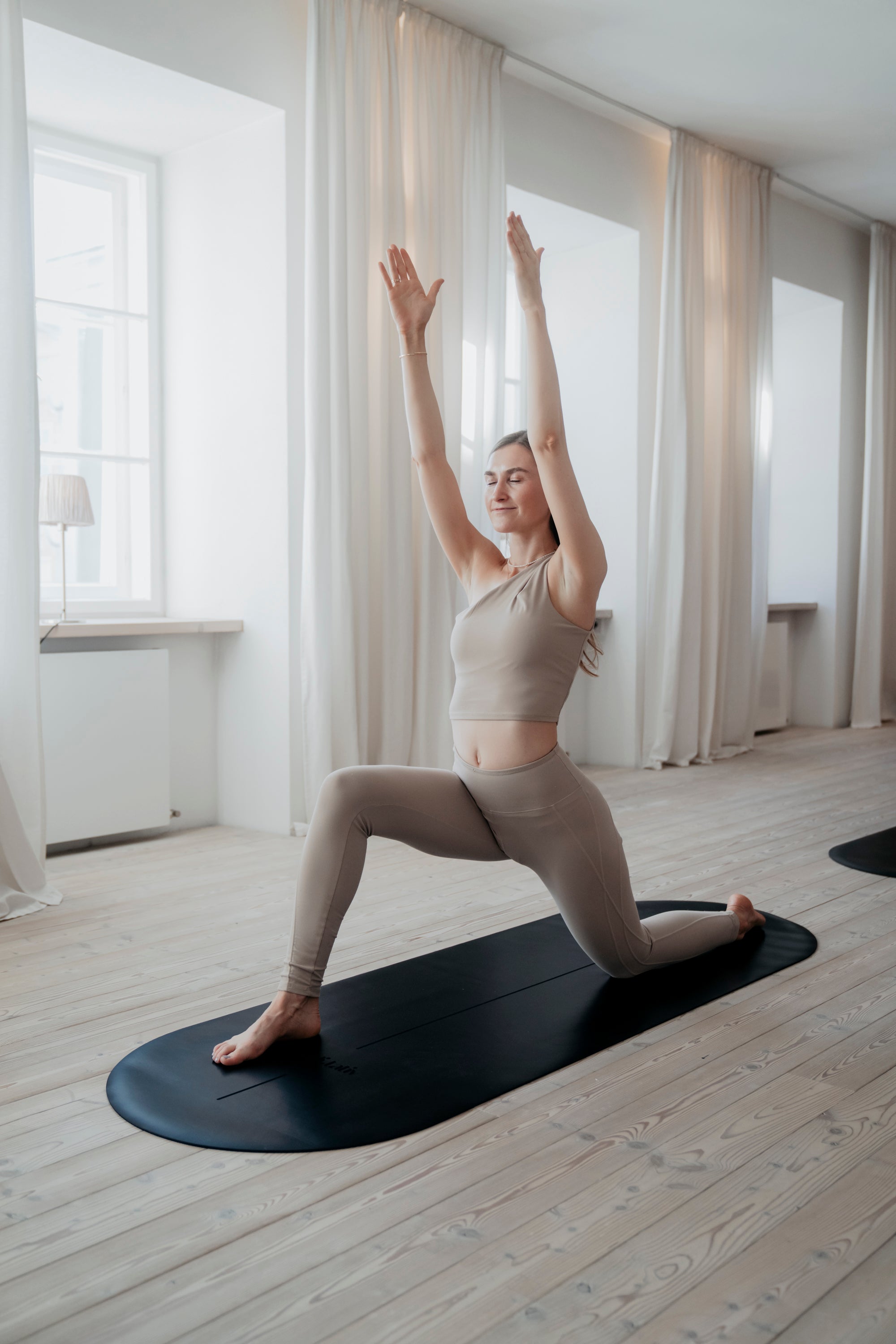
Yoga for Mental Health
Yoga for Mental Health
Yoga for Mental Health: A Path to Inner Balance and Well-being
In a world that is spinning faster and faster, increasingly characterized by stress, hustle, and performance pressure, many people are looking for ways to find inner peace. Yoga has proven to be one of the most effective methods not only for strengthening the body but also for calming the mind. Especially in 2025, the focus of many yoga classes is on promoting mental health – and for good reason.
The Power of Mindfulness
Yoga and mindfulness are inextricably linked. Through targeted breathing techniques (Pranayama), gentle physical exercises (Asanas), and meditation, practitioners can rediscover their inner calm. This combination helps to reduce stress by activating the parasympathetic nervous system – the part of the nervous system responsible for relaxation. Regular practice allows for a deeper connection to one's own body and emotions.
Especially in our modern, digital world, where sensory overload and constant availability are omnipresent, yoga offers a much-needed counterpoint. It helps to focus on the here and now and to stop the merry-go-round of thoughts that are often the cause of stress and anxiety.
Yoga as a Form of Therapy
Yoga is increasingly being used as a therapeutic tool for mental illnesses such as depression or anxiety disorders. Many clinics and therapists integrate special forms of yoga into their treatment plans. Studies have shown that yoga can significantly lower cortisol levels – a hormone released in stressful situations. This makes one feel more relaxed and emotionally stable. Special techniques such as Yoga Nidra or Yin Yoga, which have deeply relaxing and calming effects, are ideal for releasing mental blocks and regenerating. These forms of yoga allow the body to let go and provide space for healing and reflection.
Breathing Exercises and Meditation
A central aspect of yoga for mental health is breathing. Pranayama, the control of breath, helps to calm the mind and improve concentration. Deep breathing exercises such as Ujjayi breath or Nadi Shodhana (alternate nostril breathing) not only promote relaxation but can also strengthen the cardiovascular system and improve sleep quality.
Furthermore, meditation plays a central role in yoga practice. Through regular meditation, awareness of one's own body and mind can be sharpened. This helps to break negative thought patterns and develop a positive, resilient attitude.
Yoga for Everyday Life
Yoga for mental health does not only have to be practiced in classes or studios – many exercises can also be easily integrated into daily life. Even a few minutes of conscious breathing or some gentle stretching exercises can help to reduce stress and gain clarity. These small, mindful breaks in everyday life are particularly valuable for keeping a clear head in challenging moments.
Conclusion: Yoga as a Refuge for the Mind
In a world full of challenges, yoga offers a safe haven to find peace and re-center oneself. Whether through breathing exercises, meditation, or gentle asanas – the promotion of mental health is more in focus than ever in 2024. It is a tool that teaches us to deal with ourselves mindfully and thus achieve not only physical but also emotional stability.
Yoga is far more than a physical practice – it is a philosophy of life that supports us in stressful times and leads us to inner balance.
Namaste.