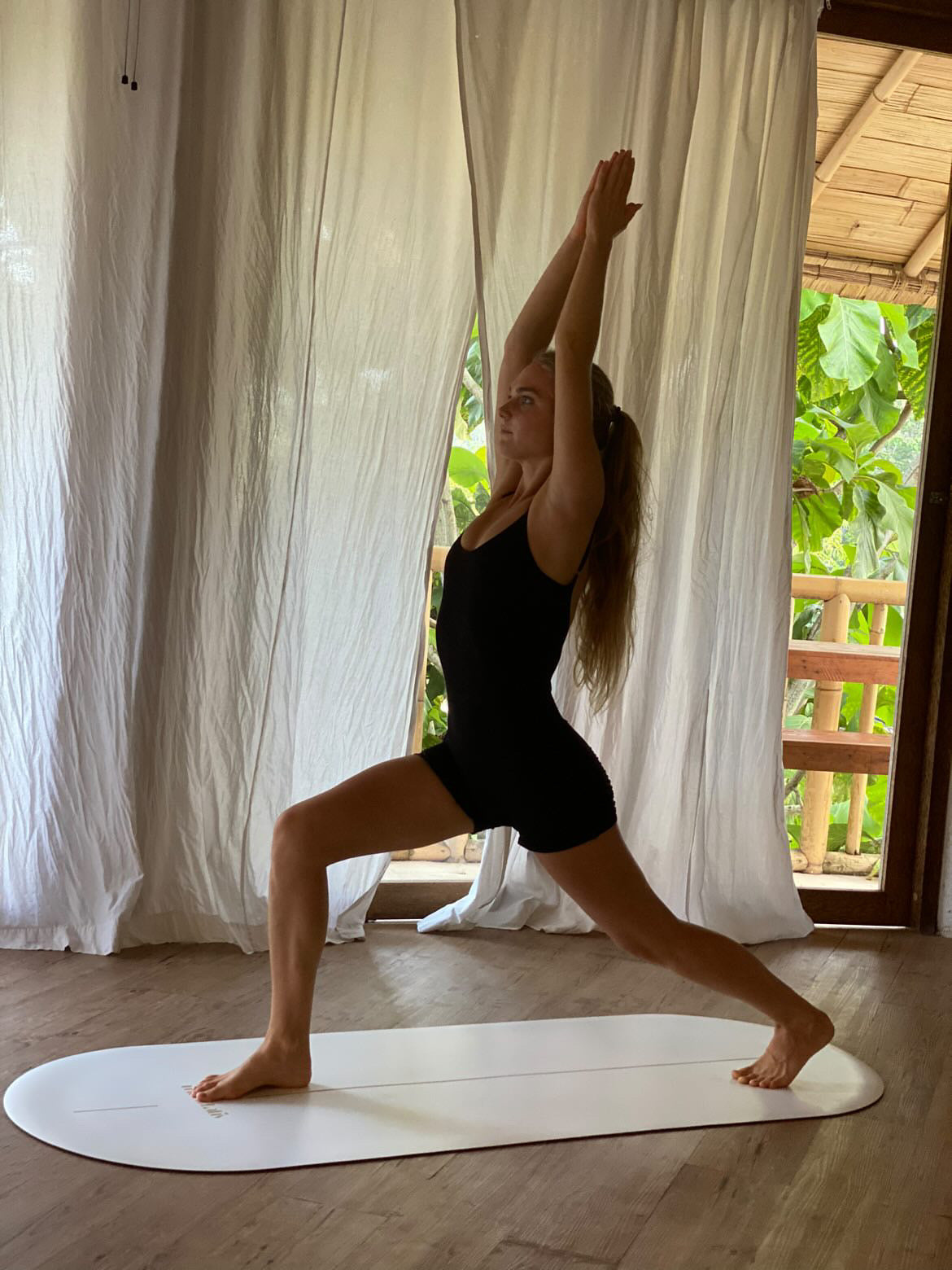
Yoga for Anxiety and Depression
Yoga for Depression and Anxiety Disorders: A Path to Inner Stability
In a world that is becoming increasingly hectic and demanding, many people suffer from mental illnesses such as depression and anxiety disorders. Those affected often feel helpless or overwhelmed when it comes to dealing with these burdens. Yoga offers a holistic and effective method that not only strengthens the body but also calms the mind, helping to cope with psychological challenges.
How Yoga Can Help with Depression
Depression is often the result of an imbalance in the brain, exacerbated by chronic stress, negative thought patterns, and emotional burdens. Yoga works on several levels here:
Physical Movement: Practicing asanas (body postures) releases endorphins – the "happiness hormones" that are proven to improve mood. This physical activity can have a direct impact on well-being, as it boosts metabolism and improves circulation.
Breathing Exercises (Pranayama): Breathing techniques such as alternate nostril breathing (Nadi Shodhana) or deep belly breathing can calm the nervous system and reduce stress levels. Breathing exercises influence the parasympathetic nervous system, which puts the body in a state of relaxation, often urgently needed for depressive symptoms.
Mindfulness and Meditation: Many yoga classes integrate meditation and mindfulness to quiet the mind and experience the present moment. People with depression are often trapped in negative thought patterns about the past or future. Yoga promotes awareness of the present moment, thus helping to break this mental cycle.
Yoga for Anxiety Disorders: Relaxation through Breath and Movement
Anxiety disorders are characterized by constant worry, restlessness, and a feeling of loss of control. Yoga can help in various ways here.
Stress Reduction through Movement: Yoga helps release tension in the body, which often accompanies anxiety. Certain asanas, such as child's pose or forward bends, have a calming effect and promote a sense of security and comfort. These postures activate the parasympathetic nervous system, responsible for body relaxation.
Breath Control: People with anxiety tend to breathe shallowly and quickly, which can intensify feelings of panic. Yoga teaches us to control our breath and deepen it consciously, which has an immediate calming effect on the body. Regular breathing exercises can help gain control over rising anxiety and reduce the body's stress response.
Mindfulness and Self-Awareness: Yoga teaches mindfulness and self-awareness. These techniques are particularly useful for anxiety disorders, as they help calm thoughts and gain a clear perspective on current sensations. Over time, those affected learn not to be overwhelmed by their fears, but to focus on the moment and regain control over their reactions.
Special Yoga Forms for Mental Health
Some yoga styles are particularly suitable for alleviating depression and anxiety:
Yin Yoga: This gentle form of yoga focuses on slow, deep stretching poses held for extended periods. Yin Yoga promotes relaxation and allows for release – both physically and mentally.
Yoga Nidra: Also known as "yogic sleep," Yoga Nidra is a guided meditation technique that puts the body into a deep state of relaxation. It is particularly helpful for anxiety disorders as it calms the nervous system while training awareness, without physical exertion.
Hatha Yoga: This traditional yoga style, with its slow and controlled movements and the connection of breath and asanas, is ideal for promoting both physical and mental stability .
Conclusion: Yoga as a Supplement to Conventional Therapies
While yoga alone should not be seen as a substitute for medical or psychological treatments for depression or anxiety disorders, it is a valuable addition. It offers a holistic approach that connects body, mind, and soul, and can thus contribute to the long-term alleviation of symptoms. Through regular practice, those affected can not only be physically strengthened but also find new ways to better cope with their emotional challenges.
If you suffer from depression or anxiety, it might be worthwhile to try yoga as part of your healing process. The calming effects of breath control, meditation, and movement can help you bring more peace, clarity, and emotional balance into your life.
Namaste.